


Who Needs Ovulation Induction
Women with irregular periods, PCOS, anovulation, or delayed conception may benefit from ovulation induction treatment.



Ovulation induction is a fertility treatment designed to
stimulate ovulation in women who have irregular or absent
ovulation. At Dr. Nishitha Mannem’s clinic in Nagole,
Hyderabad, ovulation induction is carefully planned using
hormonal evaluation, ultrasound monitoring, and personalised
medication protocols to improve natural conception chances
safely.
This treatment is especially helpful for women with
PCOS, hormonal imbalances, or unexplained infertility. With
expert supervision and cycle tracking, ovulation induction
supports timely ovulation while minimising risks and improving
pregnancy outcomes.
Ovulation induction helps regulate ovulation, improve egg release, and increase the chances of natural conception through medically supervised treatment.
Helps balance hormones and stimulate proper ovulation cycles for better fertility outcomes.
Timed ovulation increases the likelihood of successful natural pregnancy.

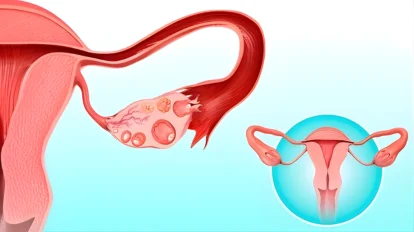
Women with irregular periods, PCOS, anovulation, or delayed conception may benefit from ovulation induction treatment.
Ovulation induction is performed using evidence-based medications and monitoring techniques to ensure safe and effective treatment outcomes.

Ovulation-stimulating medicines prescribed based on individual needs.

Follicular growth tracked to determine ovulation timing.

Hormonal response evaluated throughout treatment.
The ovulation induction process is structured to ensure safety, effectiveness, and optimal timing for conception.
Hormonal tests and cycle assessment performed.
Regular ultrasounds monitor follicle development.
Guided timing for conception advised.
Yes. When monitored by an experienced specialist, ovulation induction is safe and commonly used.
Treatment is usually completed within one menstrual cycle with regular monitoring.
Yes. Ovulation induction is highly effective for women with PCOS-related ovulation issues.
Side effects are usually mild and closely monitored during treatment.
Further evaluation and alternative fertility treatments may be recommended based on individual response.